Household waste rules Ilford council guidance for removals
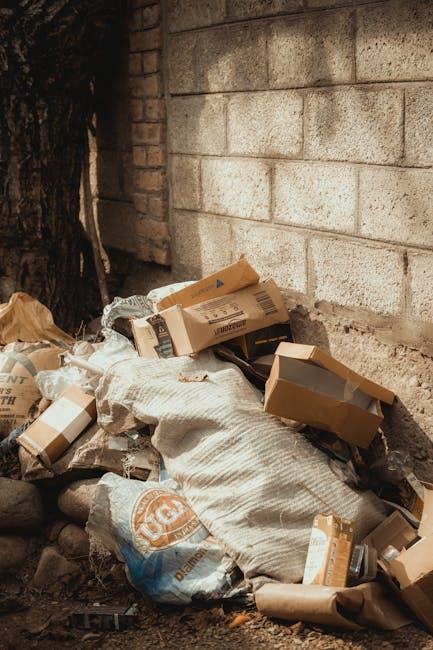
If you are moving home in Ilford, sorting out bins, leftover furniture, broken items, and general clutter can become the messy part nobody wants to deal with. The good news is that a clear understanding of household waste rules and Ilford council guidance for removals can save you stress, last-minute fines, and a lot of awkward back-and-forth on moving day. It also helps you hand over a clean property, which is one of those small things that makes a big difference when the van is packed and the kettle is already boxed away.
This guide explains what usually counts as household waste, what should be reused or recycled, how to prepare waste before a move, and where removal planning and local compliance intersect. We will also cover common mistakes, a practical checklist, and the simplest way to stay on the right side of council expectations without turning your move into a weekend project from hell.
Why Household waste rules Ilford council guidance for removals Matters
Moving house is already a juggling act. Boxes, keys, deposits, utility dates, the random drawer full of charger cables, and then the waste question lands right in the middle of it all. That is where household waste rules matter. They are not just about what goes in a bin; they shape how you clear a property, what you can leave behind, and what a removal team should and should not take.
For most people, the issue only becomes obvious in the final week. A sofa is too worn for reuse. A wardrobe is half broken. There is a bag of old paint tins in the shed, a mattress in the spare room, and a stack of flattened cardboard in the hallway. Suddenly the move is no longer just transport. It is a disposal plan. Get that wrong, and you can end up with refuse left on the kerb, missed collections, or a pile of mixed waste that is much harder to deal with.
There is also a wider responsibility angle. Councils expect residents to present waste properly, keep recycling streams separate where required, and avoid fly-tipping or careless dumping. Removal work sits close to all of this because the person doing the lifting is often the person making decisions about what leaves with the van, what is recycled, and what needs special handling. In our experience, the smoothest moves are the ones where waste is sorted early, not on the pavement at 7:30am with a half-open tea and a lot of sighing.
Expert summary: The safest approach is to separate your move into three categories: keep, donate or reuse, and dispose responsibly. That simple split prevents most waste-related problems before they start.
How Household waste rules Ilford council guidance for removals Works
The practical side is fairly straightforward once you break it down. Household waste rules usually cover ordinary domestic rubbish, recycling, garden waste where accepted, and bulky items that need special collection or authorised disposal. During removals, the key question is not only what something is, but how it should be handled.
A standard move often involves several waste streams at once:
- General rubbish: non-recyclable household waste, broken odds and ends, damaged packaging, and similar items.
- Recyclables: cardboard, paper, certain plastics, cans, glass, and other materials that should be kept separate where local guidance asks for that.
- Bulky household items: furniture, white goods, mattresses, and other large pieces that may need special pickup or an alternative disposal route.
- Restricted or hazardous items: paints, chemicals, batteries, gas canisters, fluorescent tubes, and some electrical goods that should never be treated like normal rubbish.
Removal planning usually works best when these categories are identified before the van arrives. Otherwise, crews lose time deciding what belongs where, and you lose clarity on what is actually leaving the property. A clean label on a box is useful, but a clean decision is better.
If you are using a full-service move or a smaller vehicle hire option such as man and van support in Ilford, waste handling expectations should be discussed early. That way, nobody assumes the wrong thing. One person's "just a bit of rubbish" can quickly become a van load of mixed material, and that is where the headache begins.
It also helps to think in movement stages. Before moving day, sort and reduce. On moving day, keep only the items going with you. After moving day, do a final check for leftover waste, garden bags, broken fixtures, or items forgotten in cupboards, lofts, and sheds. You would be surprised what turns up after the main furniture has gone. A single dusty lamp shade can hide in a corner for years, apparently.
Key Benefits and Practical Advantages
Following household waste rules properly is not just about avoiding trouble. It makes the whole move feel more controlled, and honestly, that is worth a lot when you are working to a deadline.
- Less clutter on moving day: fewer unwanted items means faster loading and a cleaner property.
- Better recycling outcomes: separating materials makes it easier to recycle what can actually be recycled.
- Lower risk of refusals: crews can move more efficiently when they know what is being transported.
- Reduced stress: you do not have to decide item-by-item under pressure.
- Cleaner handover: landlords, agents, or new owners are less likely to find leftovers.
- Safer lifting and handling: waste sorted in advance avoids last-minute lifting of awkward or contaminated items.
There is also a practical money angle. If you are paying for removal support, time spent dealing with unsorted waste is time you may not want to pay for. The cleaner the plan, the more of the job goes into the actual move rather than the emergency "what on earth is this?" phase.
When waste is sorted correctly, it can also fit into a broader moving plan that includes packing, furniture removal, and short-term holding. For example, if you need space between moving out and moving in, services like storage can help keep good items safe while you dispose of anything that no longer has a place in the new home. It sounds simple, and it is. But simple is good here.
Who This Is For and When It Makes Sense
This guidance is relevant to a wider group than you might think. It is not just for people doing a full house clearance. It helps anyone who is moving and has a bit of waste to deal with, which, let's face it, is most people.
- Homeowners moving to a new property in or around Ilford
- Renters who need to leave a flat or house tidy
- Landlords preparing for check-out between tenancies
- Families downsizing and reducing household belongings
- Students moving between terms and sorting unused items
- Businesses or home-based workers clearing out domestic office clutter
It makes sense most when you are under time pressure. For example, a tenant has a move-out inspection on Friday afternoon and a final lift of boxes on Thursday evening. That is exactly the point where a bag of mixed rubbish becomes a problem. The same applies when you are moving from a flat and stair access is tight. If bulky waste is not planned, it can block hallways, delay loading, and create friction with neighbours.
Some people also need extra coordination because the property contains a mix of reusable furniture and waste. In those cases, a move may need a combination of house removal services and a separate plan for old or damaged items. That is usually far easier than trying to make one category do everything.
Step-by-Step Guidance
Here is the cleanest way to handle household waste during a move. Not glamorous, but effective.
- Walk through every room. Start with lofts, sheds, cupboards, under-bed spaces, and the backs of wardrobes. Waste often hides there.
- Sort items into clear groups. Keep, donate, recycle, dispose, and review later. If something is uncertain, do not let it sit in the "keep" pile by default.
- Separate hazardous or special items. Batteries, chemicals, paint, aerosols, and electricals need extra care. Do not bundle them with ordinary rubbish.
- Break down reusable packaging. Flatten cardboard, remove tape where practical, and keep recycling clean enough to be useful.
- Decide what will travel with the move. Only load what genuinely belongs in the new place.
- Check bulky items early. Sofas, wardrobes, mattresses, and broken appliances often need special planning.
- Confirm the disposal method. Use the appropriate council route, a legitimate collection service, or a removal provider that clearly explains what it can take.
- Do a final sweep. The last 20 minutes often catch the forgotten things: bin liners, shelf clips, curtain rails, and one mysterious cable to nowhere.
If the move is large or time-sensitive, using a broader service such as removal services can make the waste stage easier to manage because the whole process is coordinated rather than improvised. That matters more than people expect.
A small but useful tip: do not wait until moving day to decide what is waste. If you can make the call two or three days earlier, you will feel the difference. The house is quieter. The bins are clearer. The boxes stop multiplying in the corner like they are breeding.
Expert Tips for Better Results
Here are the habits that usually separate a smooth move from a messy one.
- Use colour or label coding early. For example, keep, recycle, dispose, and fragile. It saves arguments later.
- Keep one "last-minute waste" bag. Small bits accumulate quickly: packaging, broken hooks, food wrappers, old batteries.
- Do not mix waste types. Once mixed, a recyclable cardboard pile can become ordinary waste, which is annoying and avoidable.
- Photograph anything uncertain. If you need to ask whether an item is suitable for transport or disposal, a quick photo helps.
- Measure bulky pieces. This is especially helpful if a sofa, bed base, or cabinet may need dismantling before removal.
- Protect the route out. Lay down coverings if you are carrying dirty or dusty items through finished rooms.
- Keep proof of what was removed. A simple list can help if there is a later question from a landlord or managing agent.
One practical observation from moving days: the problem item is often not the largest one. It is the awkward one. A half-full paint tin, a broken mirror, a pram wheel, or a bag of mixed screws can chew through more time than you would think. Weird, but true.
If you are moving from a smaller property such as a top-floor flat, the logistics matter even more. Services like flat removals are often used because access, stairs, and time windows all need tighter coordination, especially when waste and furniture share the same route out.
Common Mistakes to Avoid
Most waste-related problems in removals are very ordinary. That is the frustrating part. They are usually avoidable.
- Leaving sorting until the van arrives. It sounds harmless, but it creates delay and confusion.
- Assuming everything can go in one load. Not every item is suitable for standard removal transport.
- Ignoring special waste. Paint, batteries, and chemicals should never be treated casually.
- Mixing recycling with rubbish. Once mixed, it is harder to keep waste streams clean and compliant.
- Forgetting outside spaces. Gardens, sheds, garages, balconies, and lofts often contain the real clutter.
- Overfilling bags. Heavy bags split at the worst moment. Usually on the stairs. Of course.
- Not checking tenancy or building rules. Some properties have strict expectations about leaving waste in shared areas or communal bins.
Another common issue is overestimating how much the council or a removal team will deal with at short notice. There may be rules around what can be collected, how it should be presented, and what needs separate handling. So the safest approach is to ask early, then plan from there, not the other way around.
Tools, Resources and Recommendations
You do not need fancy equipment to deal with move-related waste well. A few basic tools make a big difference:
- Strong bin bags or rubble sacks for mixed rubbish and soft waste
- Marker pens and labels for sorting piles clearly
- Cardboard boxes or crates for reusable items and recycling separation
- Gloves for dusty loft finds, garden waste, or broken items
- Packaging tape for sealing waste bags that are already sorted
- A step ladder if you need to check shelves, cupboards, or loft storage safely
On the planning side, it helps to use a service provider that is transparent about what it can move, what it cannot move, and how it handles household items responsibly. A good starting point is a provider's recycling and sustainability approach, because that gives you a better sense of whether waste is being handled with care rather than dumped into a vague "we'll sort it" bucket. That phrase, frankly, can mean almost anything.
For heavy or awkward loads, you may also need equipment support such as a van with loading space, blankets, straps, or a larger vehicle. In those cases, a practical option like removal van hire or a broader moving setup can be useful, especially if you are transporting items that should not be crushed or tipped loosely among waste.
Law, Compliance, Standards, or Best Practice
When we talk about compliance here, the safest way to frame it is as everyday UK best practice rather than fixed legal advice. Councils generally expect residents to dispose of household waste responsibly, keep recyclable material separate where required, and avoid placing unsuitable items into standard collections. For removals, the main point is that waste should not be treated as an afterthought.
Good practice usually means:
- Do not leave loose rubbish in shared areas or on pavements unless a collection arrangement clearly allows it.
- Keep restricted items separate from normal domestic waste.
- Use suitable disposal routes for bulky or special items.
- Make sure anyone handling your goods understands what is waste and what is not.
- Use insured, traceable, and lawful transport arrangements for removed items.
This is also where documentation matters a little more than people expect. A trustworthy provider should be clear about service scope, safety expectations, and payment terms. Reading through the terms and conditions and insurance and safety information can save a lot of uncertainty before move day. That is not exciting reading, no. But it is useful reading, and move day rewards useful.
If you are moving from a rental property, the practical standard is simple: leave the home tidy, remove personal waste, and avoid leaving the next occupant with your leftovers. That is just good manners, and it tends to align with tenancy expectations too.
Options, Methods, or Comparison Table
There is more than one way to handle waste during a move. The right option depends on time, item type, and how much sorting you can realistically do before the key handover.
| Method | Best for | Pros | Limitations |
|---|---|---|---|
| Separate household sorting | Most home moves | Low cost, clear, easy to control | Takes planning and discipline |
| Reuse, donate, or pass on | Usable furniture and household goods | Reduces waste, saves space, feels worthwhile | Not suitable for damaged or unsafe items |
| Council-style disposal routes | General household waste and some bulky items | Structured and familiar | May require advance booking or specific presentation |
| Removal service with waste planning | Mixed moves and time-sensitive jobs | Convenient, coordinated, less stressful | Depends on service scope and item restrictions |
For many people, the best result comes from blending the first and fourth options: sort the waste yourself, then use a removal provider to move the keep items efficiently. If you have a lot of furniture to shift, a more comprehensive service such as furniture removals can sit alongside your waste plan very neatly. It keeps the useful items moving while the unwanted ones are dealt with separately.
Case Study or Real-World Example
Here is a realistic example from a typical Ilford move. A family leaving a two-bedroom terraced house had three types of unwanted items: old flat-pack furniture in the front room, cardboard from new appliance deliveries, and mixed garden waste in black sacks. At first, everything was left together in the hall because the move was happening on a tight Saturday schedule.
That sounded manageable until it became clear the cardboard could be recycled, the broken furniture needed separate treatment, and the garden waste was heavier than expected. Once the items were split up the day before, the move went much better. The keep pile loaded quickly, the waste area stayed clear, and the final sweep only took a few minutes. No drama. No frantic sorting with the van already outside.
The biggest lesson? The property felt calmer once the waste was reduced. There was less visual clutter, less heavy lifting, and fewer decisions under pressure. It also made the handover look much cleaner. That small detail matters more than it seems at first.
In a similar scenario, someone moving from a compact flat might need both basic transport and short-term hold space if waste cannot be cleared in one go. That is where planning around home moves and temporary storage can keep the whole process from turning into a scramble.
Practical Checklist
Use this checklist before moving day. It is simple, but it works.
- Walk through every room, cupboard, loft, and storage space
- Separate keep, donate, recycle, and dispose items
- Put hazardous or special items in a clearly marked area
- Flatten cardboard and remove obvious recycling contamination
- Decide which bulky items need special handling
- Confirm what the removal provider will take and what it will not
- Pack only items that are going to the new property
- Keep a final waste bag for last-minute leftovers
- Protect floors and hallways for dirty or dusty items
- Do a final sweep of the property before handing back keys
If you want a broader move wrapped into a single plan, it can be sensible to look at a combination of man with a van support and careful packing help through packing and boxes. That pairing keeps the job organised, and fewer items end up becoming "mystery rubbish" at the last minute.
One more small thing: keep a bin bag or two aside for the move itself. It sounds dull, but the ability to instantly deal with wrappers, broken tape, or the remains of a snack cupboard is strangely comforting.
Conclusion
Household waste rules Ilford council guidance for removals are really about one thing: making your move cleaner, simpler, and safer. The more you sort before the van arrives, the less pressure you put on yourself later. That means fewer surprises, fewer missed items, and a much better chance of leaving the property in good shape.
The best results come from thinking of waste as part of the move plan, not as an extra chore bolted on at the end. Sort early. Separate properly. Use the right transport or disposal route. And if you are handling a bigger, more complicated move, use services that can support the process rather than make it harder.
Get a free quote today and see how much you can save.
And if you are standing in a hallway surrounded by boxes and one suspiciously heavy bag, take a breath. You are probably closer to the finish line than it feels right now.
Frequently Asked Questions
What counts as household waste during a move?
Household waste usually means ordinary domestic rubbish, packaging, broken household items, and other unwanted goods from the home. During a move, it can also include old furniture, worn-out accessories, and items you decide not to take to the new property.
Can I leave rubbish for a removal team to deal with?
Only if the service clearly agrees to take it. Many removal jobs focus on transporting household items rather than disposing of mixed waste, so it is always best to confirm this before moving day.
Should I sort recycling before the move?
Yes, absolutely. Flattening cardboard and separating recyclable materials makes the job easier and often cleaner. It also reduces the amount of waste that needs to be handled as general rubbish.
What should I do with broken furniture?
Broken furniture should be separated from items you are keeping. If it can be reused, donate it. If not, arrange an appropriate disposal route or ask whether a removal provider can handle it as part of the job.
Are batteries and paint tins treated like normal rubbish?
No. Items like batteries, paint tins, aerosols, and some chemicals need more careful handling. They should not be mixed with ordinary household waste or packed casually into moving boxes.
How early should I start sorting waste before moving day?
Ideally, start a few days in advance. Even a short head start makes a noticeable difference because you can separate waste calmly instead of trying to do it while the van is waiting outside.
What if I am moving from a flat with limited access?
Flat moves are often tighter on space, time, and stair access, so waste planning becomes even more important. Keeping rubbish separate and reducing bulky clutter early can help the day run far more smoothly.
Do I need special help for bulky items?
Sometimes, yes. Large furniture, mattresses, and awkward household items may need a different disposal method or additional lifting support, especially if access is narrow or the item is heavy.
Can storage help if I have not decided what to keep yet?
Yes. If you are caught between moving out and deciding what stays, short-term storage can give you breathing room. That is often better than forcing a rushed decision that you regret later.
What is the biggest mistake people make with waste during removals?
The biggest mistake is leaving everything to the final day. Once waste, packing, and loading are all happening at once, confusion follows quickly. Sorting early keeps the whole move under control.
Is it better to hire a full removal service or a van-only option?
It depends on the amount of stuff, the access at both properties, and how much sorting you have already done. A fuller service can be easier for larger moves, while a smaller van option may suit lighter jobs with simple loading needs.
How can I make sure I do not leave waste behind?
Do a final room-by-room sweep, check cupboards and outside spaces, and keep one dedicated waste bag for last-minute items. That final check is often where the forgotten bits turn up, and it is worth the extra five minutes.